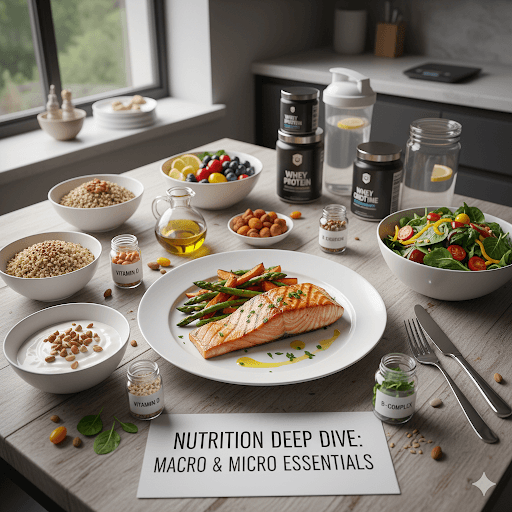
In the intricate tapestry of human health and peak performance, nutrition stands as a foundational thread. Beyond mere calorie counting, a true nutrition deep dive requires an understanding of both macronutrients and micronutrients, their unique roles, and how their harmonious balance fuels our fitness and overall wellness journey.
Macronutrients are the substances required in large amounts by the body, primarily to provide energy (calories) and structural components. They are the bedrock of our diet:
Carbohydrates (Carbs): Often demonized, carbs are the body's primary and most efficient energy source. They are broken down into glucose, fueling high-intensity workouts and replenishing glycogen stores for sustained energy. Complex carbohydrates (whole grains, vegetables, legumes) offer fiber, aiding digestion and blood sugar regulation, while simple carbs (fruits, some dairy, sugars) provide quick energy.
Proteins: The undisputed champions of repair and growth. Composed of amino acids, proteins are essential for building and repairing muscle tissue, synthesizing enzymes and hormones, and supporting immune function. Sources include lean meats, fish, eggs, dairy, and plant-based options like legumes, tofu, and quinoa. For active individuals, adequate protein intake (1.6-2.2g per kg of body weight) is crucial for muscle protein synthesis and recovery.
Fats: Far from being the enemy, healthy fats are vital for hormone production, nutrient absorption (especially fat-soluble vitamins A, D, E, K), insulation, and brain health. Unsaturated fats (avocados, nuts, olive oil) are beneficial, while saturated fats should be consumed in moderation, and trans fats largely avoided.
Understanding your individual activity level, body composition goals (e.g., muscle gain, fat loss), and metabolic rate allows for tailored macro ratios, optimizing energy levels and body composition.
While macronutrients provide the bulk of energy, micronutrients—vitamins and minerals—are the unsung heroes. Required in smaller quantities, they are indispensable for virtually every biochemical process in the body, from energy production and immune function to nerve transmission and bone health.
Vitamins: Organic compounds crucial for metabolism, growth, and disease prevention. Examples include:
Vitamin D: Essential for bone health, immune function, and mood.
B Vitamins: Vital for energy metabolism and nervous system health.
Vitamin C: A powerful antioxidant, critical for immune support and collagen synthesis.
Minerals: Inorganic elements necessary for structural integrity, fluid balance, and countless enzymatic reactions. Key minerals include:
Calcium: Fundamental for bone density and muscle contraction.
Iron: Essential for oxygen transport in the blood.
Magnesium: Involved in over 300 enzymatic reactions, crucial for muscle function, nerve transmission, and sleep.
A diverse diet rich in fruits, vegetables, and whole foods is the best strategy to ensure adequate micronutrient intake.
Translating this knowledge into practice involves strategic meal planning and nutrient timing.
Meal Planning: Focus on whole, unprocessed foods. Structure meals around a lean protein source, complex carbohydrates, and healthy fats. Portion control based on individual needs is paramount.
Nutrient Timing: While less rigid than once thought, strategic timing can optimize performance and recovery. Consuming carbohydrates and protein before and after workouts can enhance energy and kickstart muscle repair.
Supplementation: Supplements should supplement a solid diet, not replace it. Common beneficial supplements include creatine (for strength and power), whey protein (for convenient protein intake), and possibly a multivitamin if dietary gaps exist. Always consult a healthcare professional before starting new supplements.
By embracing a holistic view of macro and micronutrients, diligently planning meals, and making informed choices, individuals can unlock their full potential for performance, recovery, and enduring health.
Our premium fitness content is currently unavailable for your connection in your current location.
See supported regions and mobile carriers for more information or when we plan to expand our service. Cost may apply.
Good news: You can still enjoy our trial content while we work on expanding!